
Here are a few projects that the Actipedia staff believe show clear evidence of effectiveness. Feel free to write to us with any other suggestions!
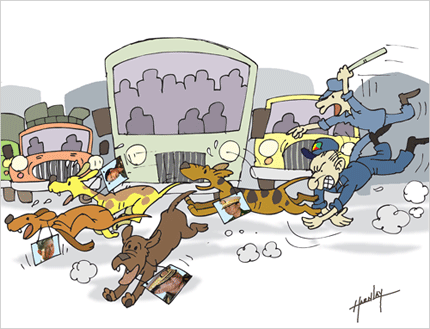 Practitioner:
Burmese dissidentsDate:
Sep 15 2007Dogs featured in one ruse to ridicule the regime—pictures of dictator Than Shwe were hung around the necks of the stray dogs that roam the streets of Rangoon. The pictures, which rapidly found their way onto the Internet, are the…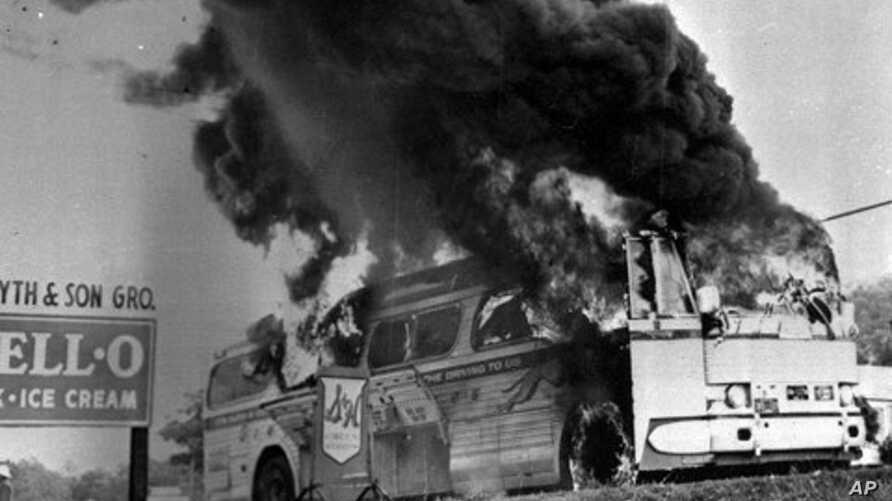 Practitioner:
HundredsDate:
May 4 1961The first legislative victory of the Civil Rights era was obtained by hundreds of people going where they weren’t invited. In 1961, Black and white Freedom Riders, well trained by SNCC in nonviolent action, rode Greyhound buses from Washington DC…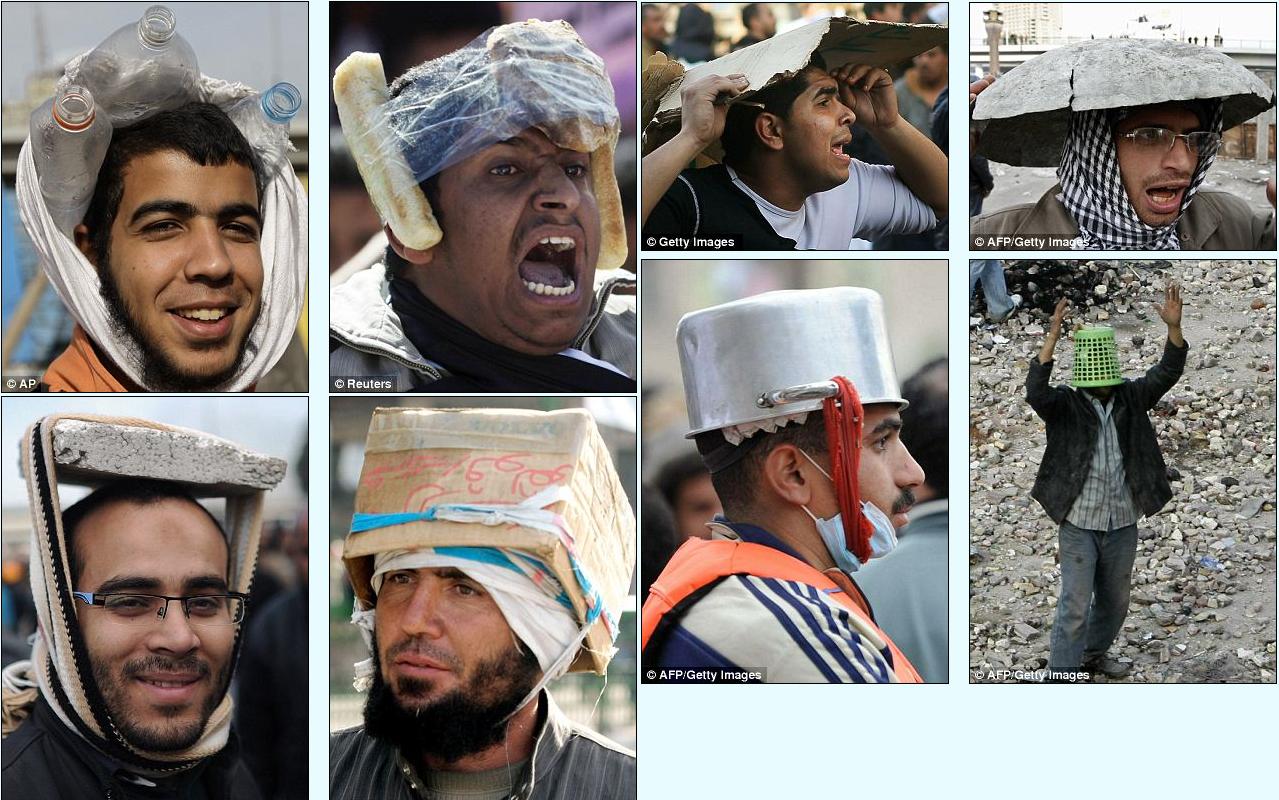 Practitioner:
Egyptian revolutionariesDate:
Feb 23 2011from “Laugh, O Revolution: Humor in the Egyptian Uprising” by Anna Louie Sussman, in 2011. Revolutions can be messy. They can be tragic. As long as the Internet is working, they can be tweeted. And, as Egyptians demonstrated during their…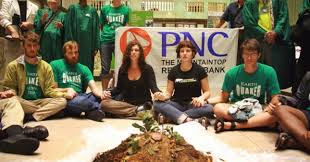 Practitioner:
Earth Quaker Action TeamDate:
Mar 2 2015This wonderful campaign of Earth Action Network against mountaintop removal coal mining focused not on the invulnerable mining companies, but on the banks that financed them – and especially PNC, which based its growth model on recruiting university students. It…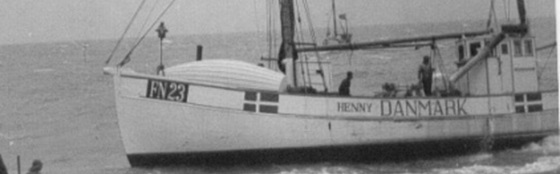 Practitioner:Date:
Sep 15 1943In September 1943, the Nazis prepared for the deportation of all Danish Jews to the concentration camps and death. But Georg Duckwitz, a German diplomat with a conscience, deliberately leaked the plans for the roundup, which was due to begin…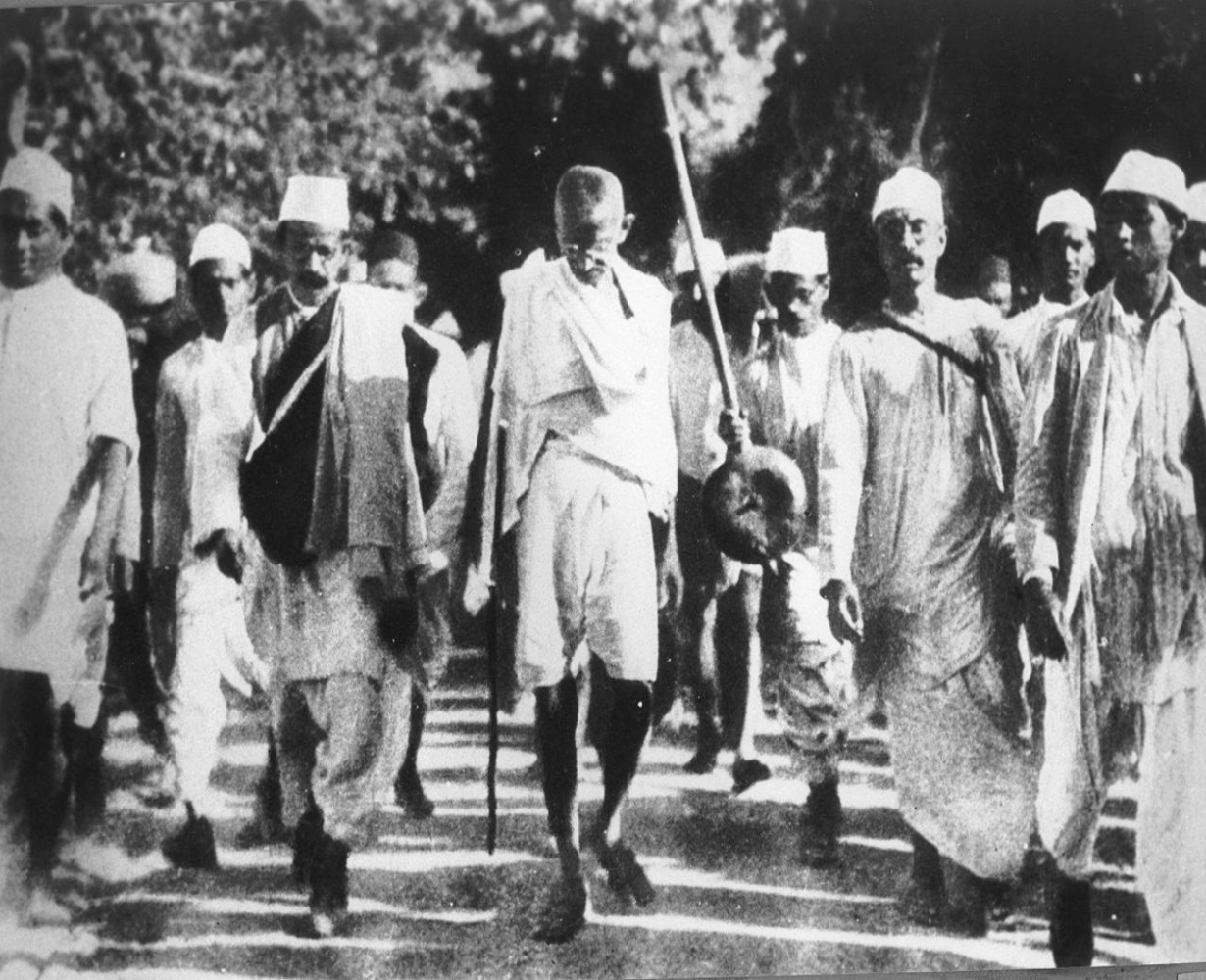 Practitioner:
Mahatma GandhiDate:
Mar 1 1930In 1930, the Indian National Congress adopted satyagraha (essentially, nonviolent protest) as their main tactic in their campaign for independence. Mahatma Gandhi was appointed to develop a plan of action; he proposed marching to the sea to make salt in…